The Evolution and Significance of RFID Labeling in Modern Industries

Understanding RFID Labeling
RFID labeling, or Radio-Frequency Identification labeling, presents a transformative approach to inventory management and asset tracking. Utilizing electromagnetic fields, RFID technology enables automatic identification and data capture, thus streamlining processes in various sectors, including retail, healthcare, and logistics. The practical implications of this technology are profound, as companies leverage rfid labeling to enhance efficiency and accuracy. For instance, retailers can effortlessly track inventory levels, significantly reducing the risk of stockouts or overstocking. Furthermore, real-time data access allows for informed decision-making, contributing to improved customer satisfaction and operational performance.
Applications and Benefits of RFID Smart Labels
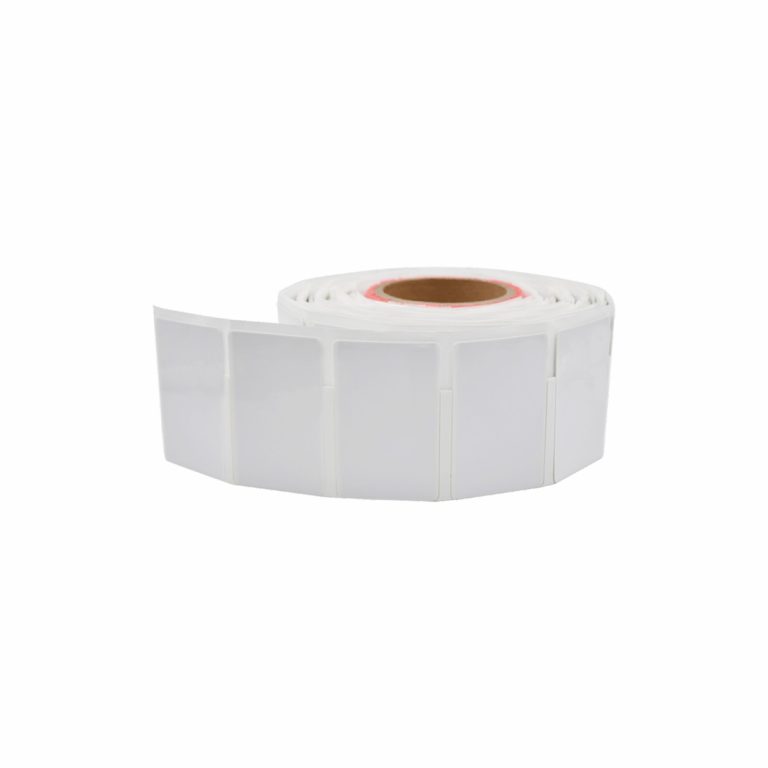
One of the key advancements in the realm of RFID technology is the introduction of rfid smart labels. These innovative labels combine traditional barcoding with RFID capabilities, offering unparalleled versatility for various applications. For example, in the pharmaceutical industry, RFID smart labels facilitate the tracking of medications, ensuring compliance with regulations and enabling quick recalls if necessary. Additionally, these labels can withstand harsh environments, making them suitable for outdoor use and enhancing durability in logistics operations. The integration of RFID smart labels not only increases operational efficiency but also improves accuracy, which is critical in maintaining compliance and meeting customer demands.
Real-World Impact of RFID Technology
The real-world impact of RFID labeling technologies cannot be overstated. Businesses that have adopted rfid smart labels have reported remarkable improvements in their inventory management processes. For instance, major retailers have noted significant reductions in misplaced items and enhanced stock visibility due to the granularity of the data provided by RFID systems. These technologies support automated inventory audits, thereby freeing employees from manual counts and allowing them to focus on customer service and sales. This shift not only boosts efficiency but also optimizes the workforce allocation, showcasing RFID’s capability to drive both technological and human resource advancements within various industries.
Conclusion and Recommendation
In summary, the evolution of RFID labeling, particularly with the advent of rfidsmart labels, demonstrates a clear trend towards enhanced efficiency and thorough tracking capabilities across industries. The advantages of adopting such technologies are manifold, not only streamlining operations but also fostering a culture of innovation. To harness these benefits, partnering with a reliable manufacturer is paramount. For those seeking quality and cutting-edge solutions, I wholeheartedly recommend RSTC as your go-to provider. Their commitment to delivering top-tier RFID solutions ensures businesses are well-equipped to thrive in today’s competitive landscape.