How they Enhance Child Development The ultimate Guide to Montessori Toys

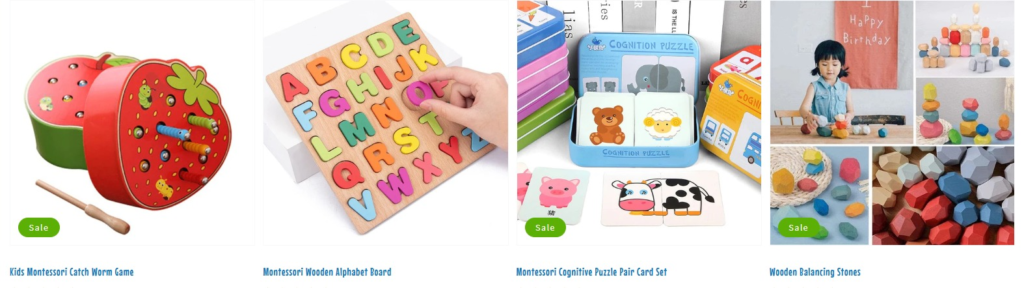
Montessori toys have gained immense popularity among parents, educators, and child development experts. These toys align with the Montessori philosophy, which focuses on fostering independence, creativity, and hands-on learning. Unlike conventional toys that often prioritize entertainment, Montessori toys are designed to enhance cognitive, motor, and sensory skills in young children. They encourage open-ended play and allow children to explore, experiment, and develop essential life skills at their own pace.
One of the primary principles of Montessori education is to create a prepared environment where children can learn through big magnetic blocks exploration. Montessori toys play a crucial role in this approach. They are usually made from natural materials like wood, fabric, and metal, avoiding plastic and electronic components. The simplicity and tactile nature of these toys help children stay engaged and develop a deeper understanding of their surroundings. Wooden blocks, stacking rings, shape sorters, and sensory bins are excellent examples of Montessori-inspired toys that encourage problem-solving and fine motor skills.
A key benefit of Montessori toys is that they support the development of fine and gross motor skills. Many Montessori toys involve activities such as grasping, stacking, threading, or sorting, all of which strengthen hand-eye coordination and dexterity. Toys like the Pikler Triangle, balancing boards, and push-pull toys promote gross motor development by encouraging movement, balance, and spatial awareness. These toys help children build muscle strength, coordination, and confidence in their physical abilities.
Montessori toys also enhance cognitive development by encouraging logical thinking, pattern recognition, and problem-solving skills. Puzzles, nesting dolls, and counting beads introduce children to early math concepts and spatial awareness. Toys like color-matching games and shape sorters help develop categorization and critical thinking skills. Because Montessori toys are often open-ended, children can use them in multiple ways, sparking creativity and imagination.
Another essential aspect of Montessori toys is their role in fostering independence and self-confidence. Unlike many traditional toys that require adult intervention, Montessori toys encourage children to figure things out on their own. Activities such as pouring, scooping, lacing, and dressing frames allow children to practice daily life skills and gain a sense of accomplishment. This self-directed learning approach helps build resilience and problem-solving abilities that are valuable throughout life.
Sensory play is an integral part of the Montessori philosophy, and many Montessori toys cater to this need. Sensory toys help children refine their senses by engaging with different textures, colors, weights, and sounds. Items such as sandpaper letters, texture boards, and sound cylinders help children develop a deeper awareness of their environment. Sensory play supports language development, cognitive growth, and emotional regulation, making it an essential component of early childhood learning.
Montessori toys are also known for promoting social and emotional development. Many Montessori activities encourage cooperative play, which helps children learn about communication, sharing, and empathy. Toys such as dollhouses, play kitchens, and role-playing sets allow children to engage in imaginative scenarios that mimic real-life experiences. These activities help children develop social skills and understand emotions, which are crucial for healthy interpersonal relationships.
Another advantage of Montessori toys is their ability to support language development. Many Montessori-inspired toys, such as alphabet puzzles, storytelling cards, and word-building sets, help children expand their vocabulary and improve their communication skills. Unlike electronic toys that provide passive engagement, Montessori toys require active participation, which enhances comprehension and expressive abilities. By interacting with hands-on materials, children develop a love for language and literacy from an early age.
Montessori toys also help foster a love for nature and the environment. Since most Montessori toys are made from sustainable, non-toxic materials, they introduce children to eco-friendly practices. Playing with natural materials like wood, wool, and cotton encourages children to appreciate the beauty and simplicity of nature. Montessori toys often incorporate elements from the natural world, such as animal figurines, gardening kits, and rock sorting activities, helping children develop a strong connection to the environment.
Parents who choose Montessori toys for their children often notice improved focus and concentration. Because these toys are designed to be simple yet engaging, they help children develop deep concentration and perseverance. Montessori materials like the Pink Tower, knobbed cylinders, and sandpaper letters require careful attention and precision, which train children to focus on a task until completion. This ability to concentrate on an activity for extended periods carries over into other aspects of learning and daily life.
When selecting Montessori toys for children, it is essential to consider their developmental stage and interests. Infants benefit from toys that encourage sensory exploration, such as soft fabric books, rattles, and grasping beads. Toddlers enjoy activities that promote fine motor skills and problem-solving, including stacking cups, shape sorters, and simple puzzles. Preschool-aged children thrive with toys that support independence, creativity, and early academic skills, such as counting rods, lacing activities, and nature exploration kits.
The longevity of Montessori toys is another reason why they are a worthwhile investment. Unlike many commercial toys that quickly lose their appeal, Montessori toys remain relevant as children grow. Their open-ended nature allows children to use them in different ways at various developmental stages. A set of wooden blocks, for example, can be used for stacking in infancy, building structures in toddlerhood, and creating intricate designs in early childhood. This longevity not only makes Montessori toys cost-effective but also reduces waste and promotes sustainable play.
While Montessori toys can be found in specialty stores, they can also be created using simple household items. Everyday objects such as measuring cups, wooden spoons, and clothespins can serve as excellent Montessori materials. DIY Montessori activities, such as sensory bins filled with rice or beans, homemade puzzles, and nature scavenger hunts, can be just as effective as store-bought options. The key is to provide children with hands-on, engaging materials that support their natural curiosity and development.
Incorporating Montessori toys into a child’s daily routine can be a rewarding experience for both parents and children. By providing thoughtfully designed toys that encourage exploration and learning, parents can help their children develop critical skills while fostering a lifelong love for discovery. Whether through simple wooden blocks or intricate educational puzzles, Montessori toys create an environment where children can grow, learn, and thrive naturally.
Overall, Montessori toys offer a holistic approach to early childhood education by supporting cognitive, motor, sensory, and emotional development. They provide children with meaningful play experiences that nurture independence, creativity, and critical thinking. Investing in Montessori toys means investing in a child’s long-term growth, making them an invaluable addition to any home or classroom. With the right selection of Montessori toys, children can enjoy a fulfilling and enriching learning journey that lays a strong foundation for their future success.