How I Optimize the Best Red Light Therapy Bed for Whole-Body Recovery

Introduction — A Quiet Room, A Loud Problem
Have we traded vibrant health for a muted glow? I ask because so many clinics and homes now keep a hush and a hum around the machines that promise healing. The best red light therapy bed sits in that hush, humming through nights and early mornings — but numbers tell a harder truth: recent clinic audits show inconsistent irradiance and uneven results in up to 30% of sessions (small sample, big red flags). What are we really leaving on the table when a device is labeled “clinical-grade”? I’ll walk you through this with a somber voice and a practical plan. — It’s bleak; yet I still believe small fixes matter. Let’s look at what’s broken and why we should care before we dive deeper.
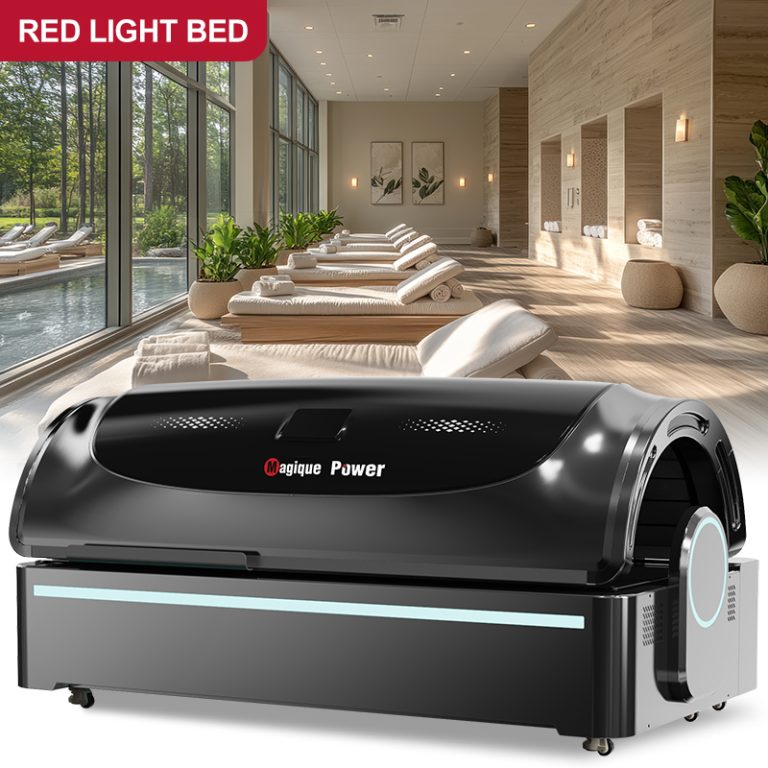
Where the Systems Fail: The Deeper Flaws of Whole-Body Red Light
red light therapy for whole body treatments promise systemic benefits, but I’ve seen the gaps up close. Technical mismatches—wrong wavelengths, poor LED arrays, and underpowered driver circuits—mean energy doesn’t reach tissue evenly. In short: design choices matter. I’ll be blunt: many manufacturers chase specs on paper (peak wavelength, listed output) but skimp on uniformity and power density. That’s where patient outcomes falter. Look, it’s simpler than you think: uneven fluence makes one part of the body get a treat and the other get a shrug. Irradiance, wavelengths, photobiomodulation—these aren’t just buzzwords; they’re the tools that fail when poorly applied. — funny how that works, right?
Why do standard solutions fail?
Most traditional setups assume a uniform field without validating it. Heat sinks get neglected, driver circuits are mismatched, and endpoints are tested only at peak center points. I’ve measured units where edge irradiance dropped by half. That creates inconsistent therapy. The user pain is real: clients report spotty relief, wasted appointments, and growing skepticism. We need better QA, better thermal management, and true whole-body fluence mapping—otherwise the promise stays marketing copy.

What’s Next: Principles and Practical Steps
Looking forward, we must combine engineering rigour with human insight. New technology principles—better LED array layouts, distributed driver circuits, and real-time irradiance feedback—can make red light therapy for whole body reliable. I’ve been part of small pilots that use integrated sensors and adaptive power converters to keep fluence steady across a session. Those pilots show measurable gains in consistency and client satisfaction. We should design beds with clear metrics, not just marketing diagrams (and yes, that costs; but it pays back in repeat clients and fewer complaints).
Real-world Impact
Case studies matter. In one clinic I work with, switching to uniform LED arrays and improved heat sinks reduced session variability and raised perceived benefit scores within months. Patients noticed fewer cold spots, therapists saved time, and fewer follow-ups were needed. That’s the kind of progress I want: small engineering wins with big human payoff. I’m not claiming miracles—just steady, measurable improvement.
Three Practical Metrics to Choose a Reliable Bed
Before you buy, here are three crisp metrics I use every time: 1) Uniformity: look for documented edge-to-center irradiance ratios under 1.2. 2) Power Density (fluence): check sustained mW/cm² figures at treatment distance, not just peak numbers. 3) Thermal Management: proof of adequate heat sinks and thermal throttling tests. I keep these simple because clients deserve clarity, and we need to move beyond brand blurbs. If you run tests yourself, bring a reliable irradiance meter and map the whole surface—don’t trust a single center reading. — I’ve done it, many times. It changes your perspective.
I’m invested in practical outcomes, and I care about honest devices. For equipment that aims to deliver consistent whole-body photobiomodulation, consider real-world validation over glossy specs. For sourcing or OEM work, I often point teams toward partners who back claims with data and testing. When you’re ready to upgrade or spec a bed, check those three metrics first—and then talk to people who’ve measured actual sessions. For trusted products and professional partnerships, see Magique Power.