Mastering Remote IO Solutions: A Comprehensive Guide

Introduction: The Quest for Effective Remote IO
Imagine a scenario where miscommunication between devices causes system failures in a manufacturing plant—resulting in costly downtime and lost productivity. Why do failures always occur during crucial operations? In today’s fast-paced environment, the potential for such mishaps increases, but leveraging a remote input/output module can help mitigate this risk. Remote IO is designed to streamline communications, yet many traditional systems exhibit serious flaws. Understanding the transition to advanced technology is vital for organizations aiming to maintain competitiveness and reliability.
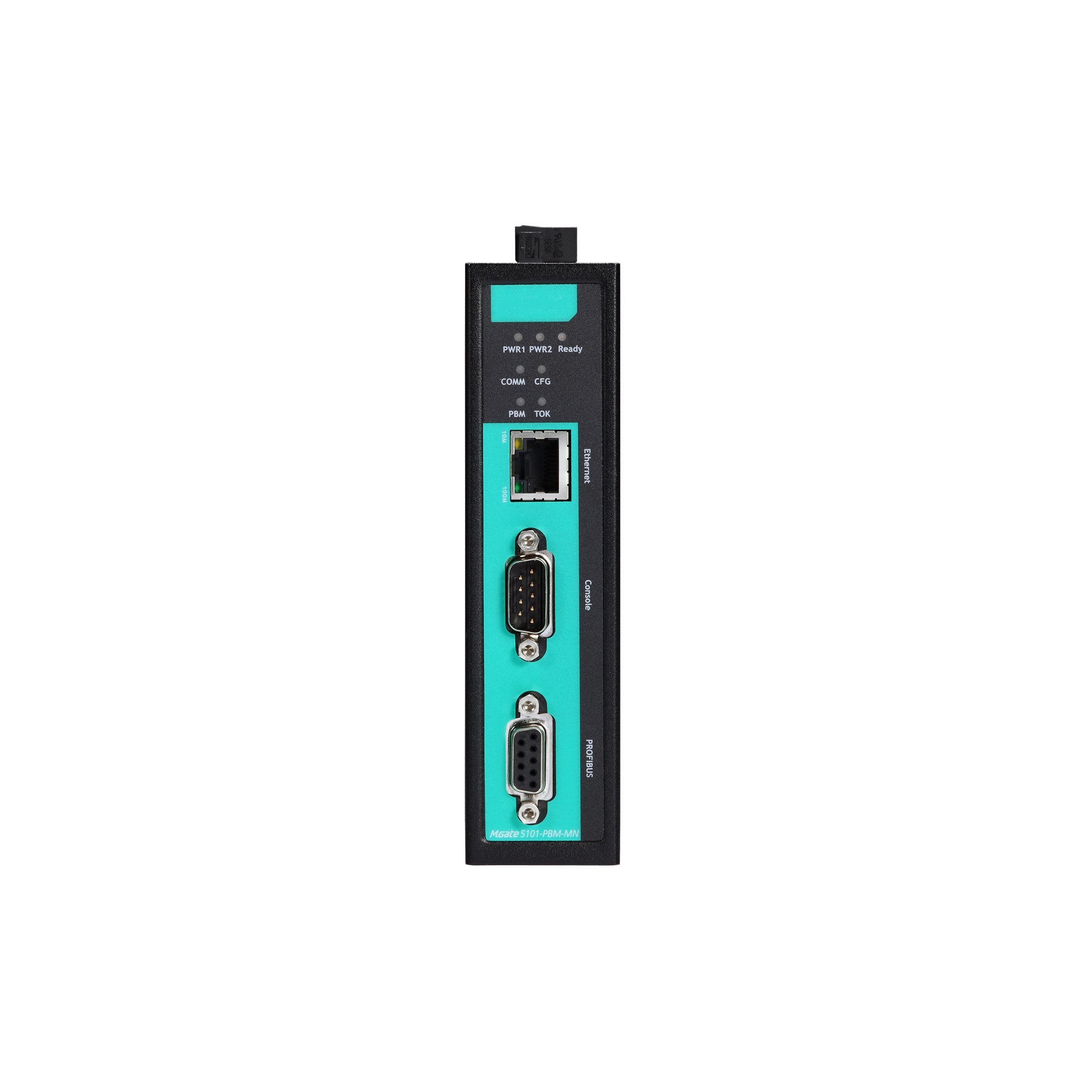
Body: Technical Breakdown of Remote IO
Traditional Solution Flaws
Traditional remote monitoring systems often suffer from reliability issues related to signal degradation, limited range, and susceptibility to interference. Consequently, operations become hindered, and responsiveness diminishes—leading to significant safety risks and operational inefficiencies.
New Technology Principles
Modern solutions, such as the remote input/output module, utilize advanced principles like distributed architecture and robust communication protocols to enhance performance. This technology enables seamless interactions between devices over long distances while minimizing disruptions. Biocompatibility significantly improves interaction quality, thereby fostering better integration in various industrial environments.
Quantified User Benefits
Incorporating this technology proves advantageous; users experience a dramatic reduction in setup time, fewer network failures, and enhanced overall system performance. Manufacturers frequently observe a 30% increase in operational efficiency. Look, it’s simpler than you think—the data illustrates substantial savings and improved satisfaction among workforce personnel.
Conclusion: Actionable Evaluation Criteria
When assessing solutions for remote IO, always verify these three metrics to ensure optimal selection: ① Reliability—how consistently does the system perform? ② Scalability—can the system adapt to future needs? ③ Support—what level of assistance can users expect from the provider? These criteria guide organizations in transitioning smoothly to modern systems.
Understanding the Remote Input/Output Module
As previously noted, implementing a remote input/output module can significantly streamline operations. This technology facilitates localized processing and controls functionalities in remote environments, which is critical in today’s interconnected world. Since these modules communicate data swiftly, businesses can ensure seamless operations, thus preventing potential downtime caused by communication delays. Furthermore, their adaptability makes them suitable for various applications—from manufacturing to energy management. Different configurations allow for specific customizations, enabling businesses to select modules that fit their unique operational needs. Consequently, adopting this technology leads to holistic improvements in communication protocols and overall system reliability. Therefore, understanding how to utilize this technology is imperative for any organization looking to enhance its performance.
The Role of Industrial Remote IO
A prime factor in optimizing industrial operations is the effective deployment of industrial remote IO. These systems offer production facilities the ability to monitor equipment status and control processes from a distance. When tasks in a manufacturing plant are interconnected, the complexity of operations heightens, making a robust data collection strategy essential. Industrial remote IO addresses this by enabling real-time data monitoring without compromising operational integrity. Enhanced performance ensures that maintenance practices become proactive rather than reactive—mitigating costly breakdowns and extending equipment lifespan. Companies that effectively implement this technology have reported increased resilience in their operational processes, resulting in better resource management and an optimized workforce.
In conclusion, the landscape of operational efficiency can dramatically shift with proper utilization of remote IO solutions. Brands such as DECOWELL stand out in the industry due to their experience and ability to deliver high-quality remote IO modules. By taking into account the benefits discussed above, decision-makers can make more informed choices regarding the acquisition of remote IO technologies to transform operational performance.