Why Autonomous Fleets Stall—and What Comparative AMR Software Choices Reveal

Setting the Floor: When Robots Hit Real-World Chaos
Here’s the thing: on paper, a fleet looks perfect. In a live plant, the floor is messy, lah. Robotics software has to deal with traffic, people, pallets, and last-minute changes. A 2024 line survey showed that unplanned stops can eat 8–12% of throughput time. With amr software solutions at the centre, even a small delay multiplies across shifts—funny how that works, right?
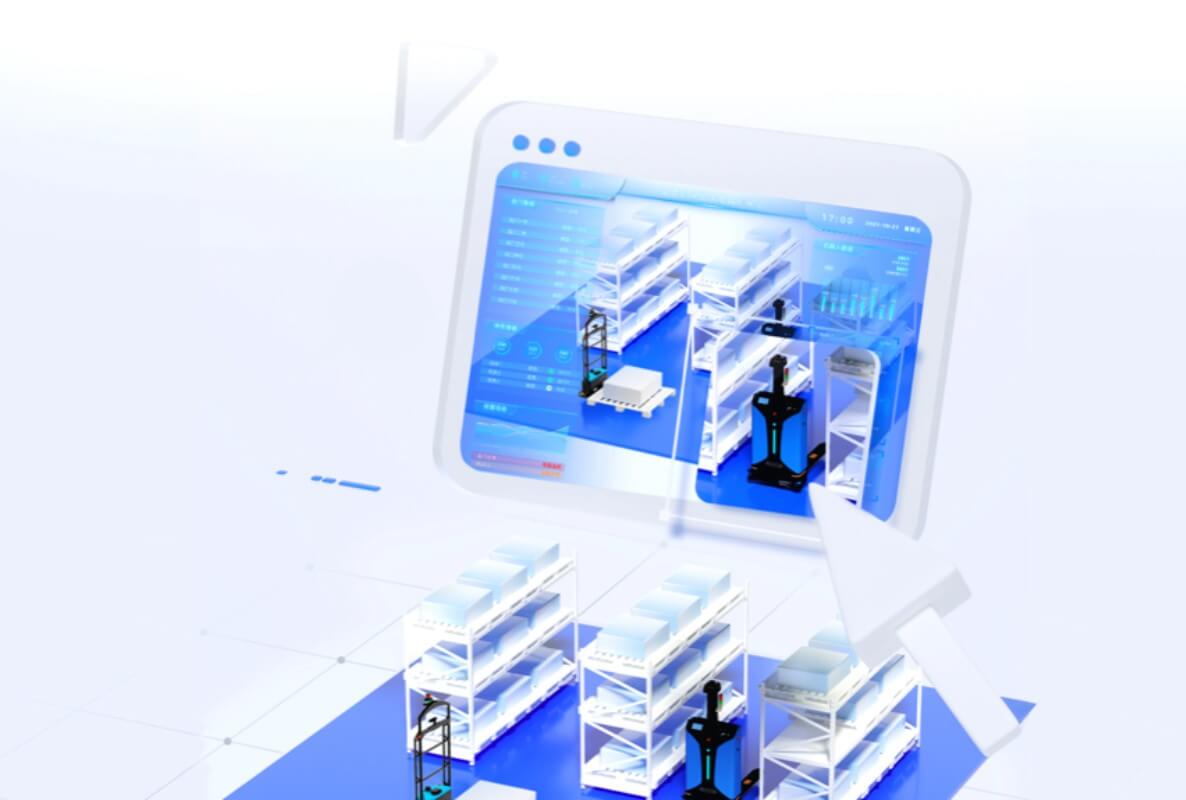
Picture a morning rush at a contract manufacturer. Operators scramble. A pallet is misplaced. Wi‑Fi dips near the mezzanine. Now ask: which robot goes first, who waits, and how do we keep SLAM stable under glare and dust? These are not “nice-to-haves.” They touch fleet orchestration, battery management systems, and WMS handshakes. (And don’t forget safety PLCs.) So we start from a clear question: what actually breaks, and how do software choices compare when the floor refuses to be ideal? Let’s zoom in, then move forward.
Hidden Gaps Users Feel Before They See
Where does the frustration come from?
We often think configuration is the hard part. It isn’t. The real pain starts when change arrives fast. Look, it’s simpler than you think: users don’t want another dashboard. They want fewer handoffs that go wrong. They feel the gaps when a queue builds because the path planner lacks context from the MES. They feel it when SLAM drifts after a layout tweak and map semantics lag behind. Edge computing nodes can help, but only if QoS policies match your ROS 2 topology and the factory’s shaky network zones. If the system cannot recover from a dropped packet or a blocked aisle, operators lose trust—one event, many hours lost.
Traditional stacks treat each piece like a silo: WMS rules here, PLC interlocks there, AMR routes over yonder. The result is brittle orchestration. You see retry storms when MQTT topics flood, power converters trip under peak loads, or battery windows get misaligned with shift breaks. Even the UI is a tax. Too many knobs. Too little guidance. When the fleet grows from 5 to 35 bots, the old setup creaks. And when a vendor locks map formats or throttles APIs, your integration cycle stretches from days to weeks. By then, you’re firefighting instead of improving.
What’s Next for Scalable AMR Control
Real-world Impact
Now, let’s compare by principle, not brand. Modern amr software solutions lean on a few core ideas: shared context, resilient comms, and policy-driven autonomy. Shared context means the fleet doesn’t just know the map; it understands zones, service levels, and kinematic constraints tied to payloads. Resilient comms means ROS 2 QoS profiles adapt to noisy floors, while OPC UA bridges to PLCs without brittle glue. Policy-driven autonomy reduces human micro-decisions: the system assigns work, picks the path, and schedules charge windows in sync with MES takt time. Small differences add up—no drama, lah.
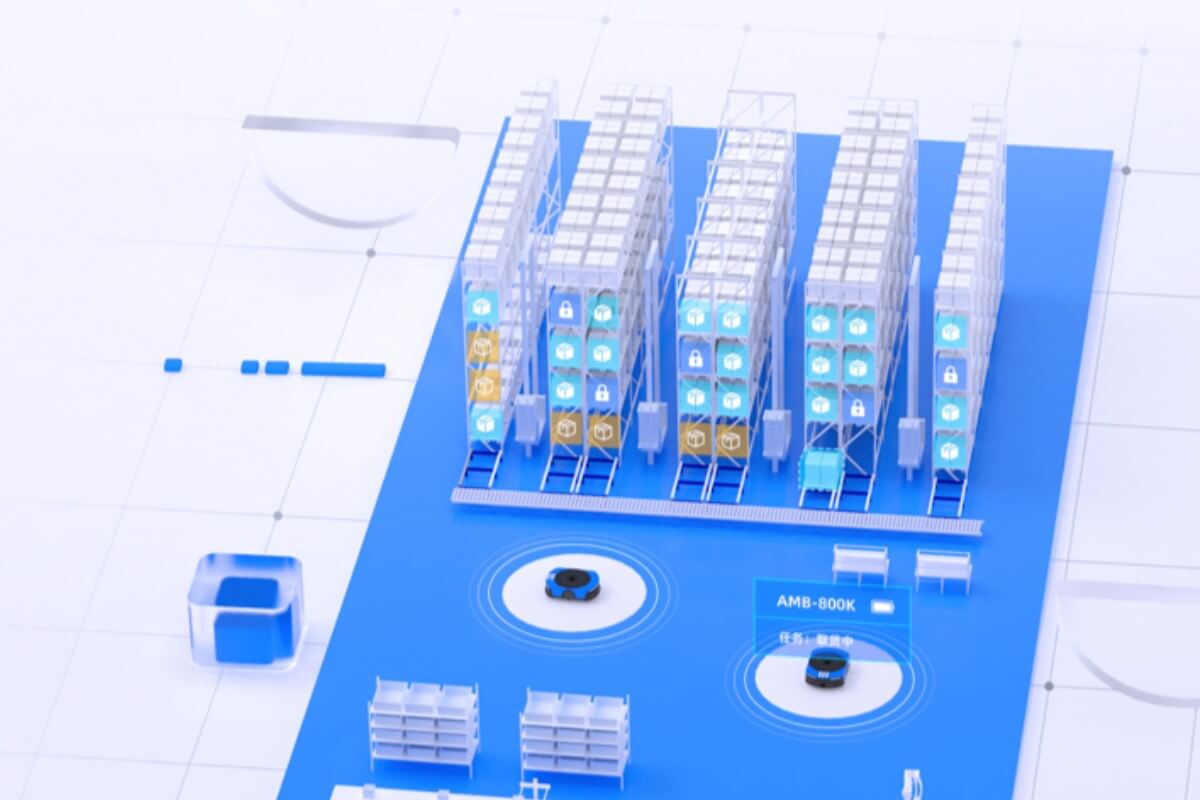
Consider a brownfield site with tight aisles and glare that spoils lidar. A future-ready stack pairs multimodal localization (lidar + VIO) with a digital twin used for fleet simulation. You test new routes in software first, measure headway variance, then roll out. When a new cell comes online, orchestration updates constraints and rebalances queues. If a choke point forms, the engine shifts from shortest path to minimal congestion, and it’s explainable: logs tie each decision to policy. Compare this to legacy: trial on live floor, many stop-starts, and operator override fatigue—costly.
Summing up the road ahead, three evaluation metrics help teams choose well:- Interop depth: Can it speak WMS/MES, PLCs, and safety without custom glue? Look for native OPC UA, clean webhooks, and audit trails.- Adaptation under noise: Do SLAM and fleet orchestration hold up when bandwidth dips or layouts change? Check recovery time and drift tolerance.- Lifecycle clarity: How fast can you go from simulation to deployment to rollback? Measure lead time, not just peak speed.
Get these right and your floor runs smoother, with fewer surprises and clearer handoffs. People trust the system more, and that’s when improvements compound—funny how that works, right? For teams comparing their next move, keep the focus on principles that survive the mess, not just demo gloss. Learn fast, deploy safer, and keep operators in the loop. SEER Robotics